

Where Little Explorers Grow
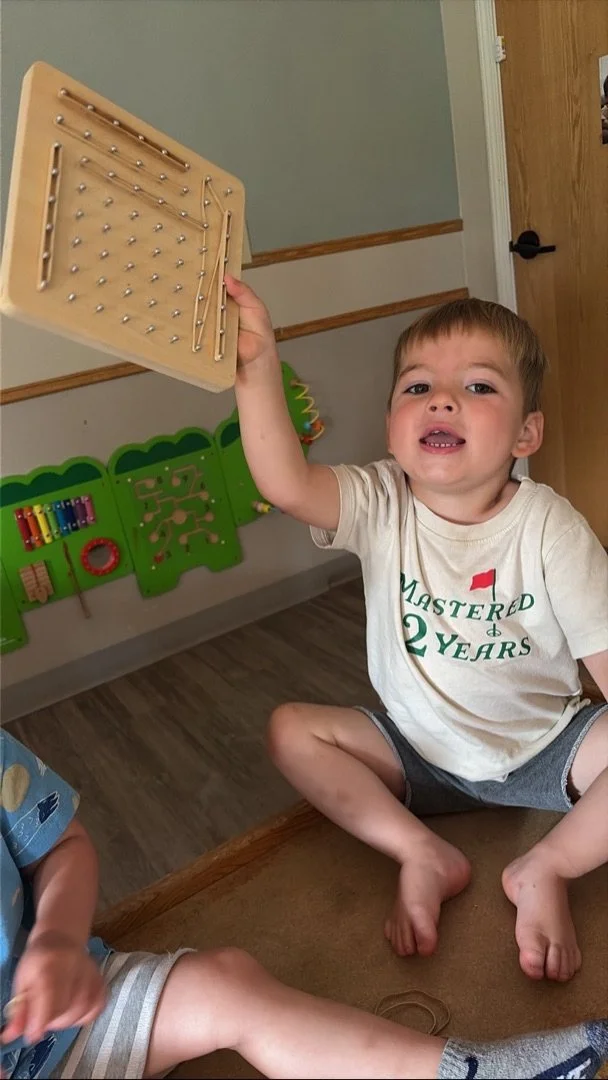
Our Toddler Room is designed for curious, energetic learners who are beginning to explore independence and relationships with others. Through play-based learning and hands-on experiences, toddlers build confidence while developing foundational academic, social, and emotional skills in a warm and engaging environment.
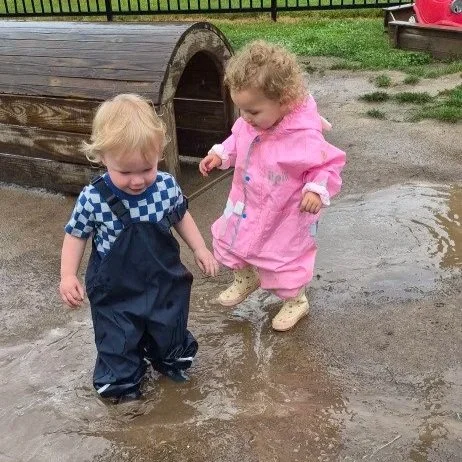
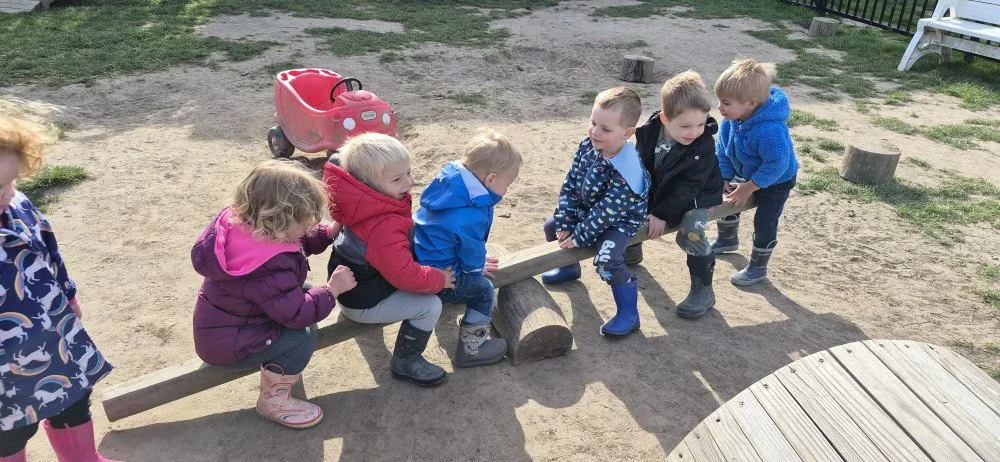
Children are introduced to early concepts such as colors, counting, letters, music, movement, and sensory exploration through meaningful activities that encourage creativity and discovery. Outdoor play, imaginative learning, and social interaction are an important part of each day as children begin developing friendships, communication skills, emotional awareness, and independence. We also work closely with families to support developmental milestones, including potty training and self-help skills.
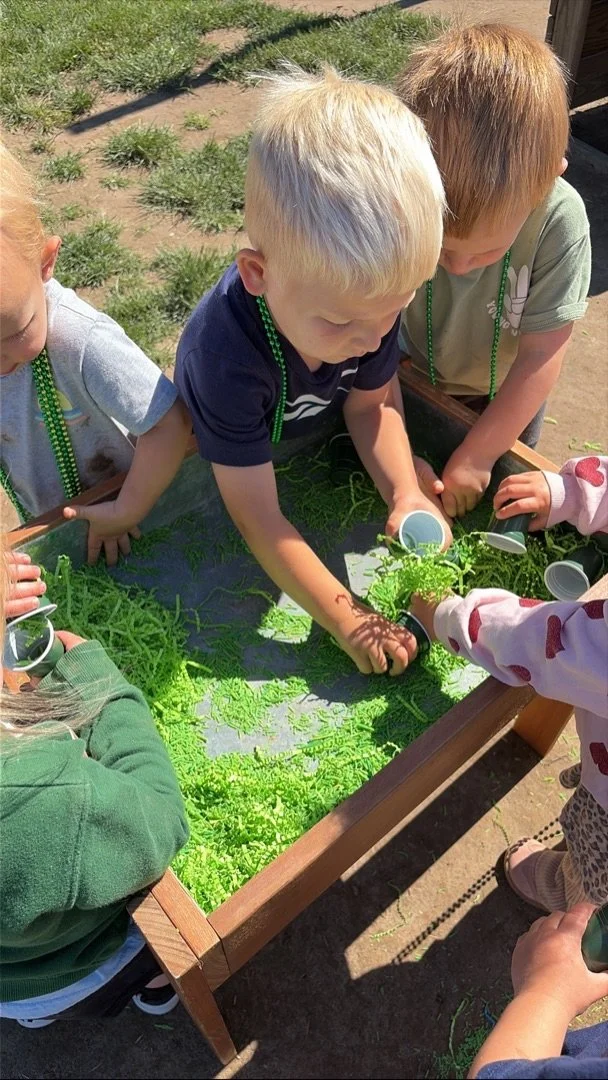
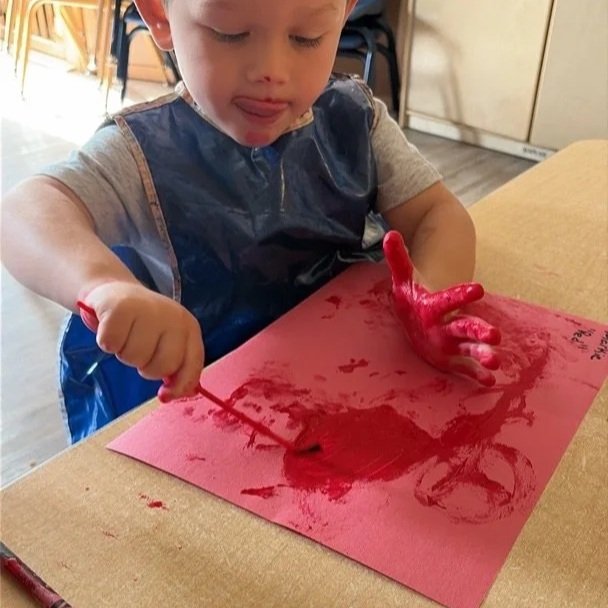
At You and Me Academy, we believe young children learn best through play. Using the HighScope curriculum as our guide, we create meaningful learning experiences that encourage children to explore, discover, and make sense of the world around them. Through hands-on activities, conversation, movement, sensory experiences, and daily routines, children build important social, emotional, cognitive, and physical skills.
Our classroom is filled with opportunities to learn through doing. Whether children are creating art, exploring sensory materials, engaging in dramatic play, building with blocks, singing songs, or playing outdoors, they are developing confidence, independence, problem-solving skills, and a lifelong love of learning. We embrace the mess, the movement, and the curiosity that come with early childhood because we know that active, joyful experiences are where meaningful learning begins.
Play-Based Learning
At You and Me Academy, we use Teaching Strategies GOLD® (TSG) to observe and assess children’s growth and development through their everyday play, interactions, and learning experiences. Rather than relying on formal testing, our teachers gather information naturally as children explore, create, communicate, and engage with the world around them.
These assessments help us understand each child’s unique strengths, interests, and areas of growth so we can meet them where they are developmentally. By getting to know each child as an individual, we can provide meaningful learning experiences, set appropriate goals, and offer the support and encouragement they need to thrive at their own pace and be ready for their next step.
Assessments
At You and Me Academy, we view potty training as an important milestone in a child’s journey toward independence. We partner closely with families and begin the process when children show signs of readiness, creating a positive and encouraging experience that supports each child’s individual development.
Potty training is about more than using the toilet—it’s about building confidence, responsibility, and independence. As children learn this new skill, they are encouraged to take an active role in their self-care by pulling their pants up and down, communicating their needs, washing their hands, and practicing healthy hygiene habits. Through patience, consistency, and encouragement, we help children develop the skills and confidence needed to care for themselves both in the classroom and beyond.
Potty Training
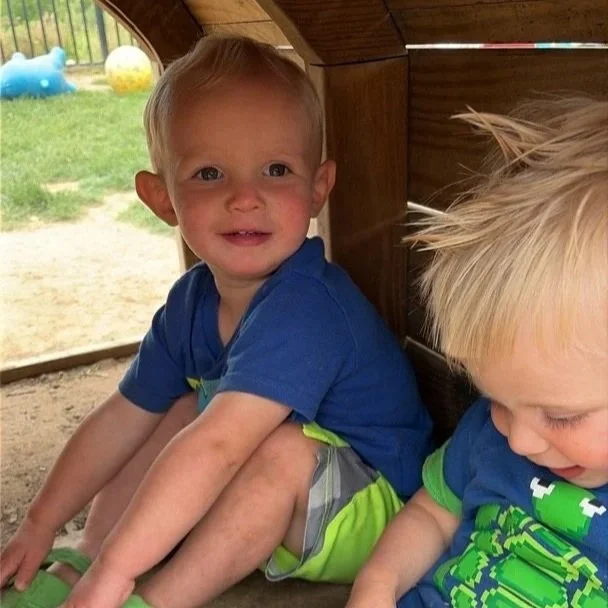
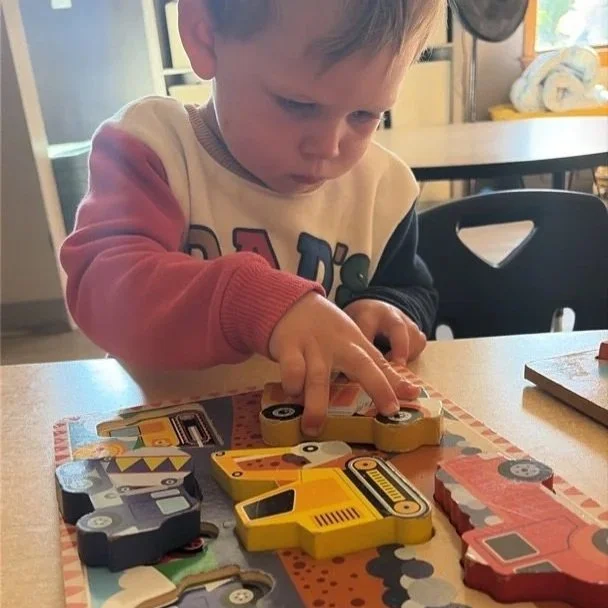
As toddlers grow into confident, capable learners, families play an important role. Explore tips and resources to support your child’s development.
-
The toddler years are filled with big emotions as children learn to communicate, build relationships, and gain independence. Challenging behaviors such as tantrums, hitting, and frustration are often a normal part of development.
Families can support emotional growth by staying calm, setting consistent boundaries, and helping children identify and express their feelings. With patience and guidance, children develop the skills needed to navigate their emotions successfully.
YAMA Tip: Name the feeling before correcting the behavior. “I can see you’re upset. It’s okay to be angry, but it’s not okay to hit.”
-
Language development grows through everyday conversations. Reading together, talking throughout the day, and encouraging children to share their thoughts all help build communication skills and confidence.
Try asking open-ended questions—questions that have more than one answer—to encourage conversation and critical thinking. You can also scaffold your child’s ideas by building on what they say, introducing new vocabulary, and expanding their thoughts.
YAMA Tip: Instead of asking questions that can be answered with “yes” or “no,” try asking, “What was your favorite part?” or “How did you build that?” to encourage meaningful conversation.
-
Separation anxiety is a normal part of development. Toddlers thrive on routine and predictability, so establishing a consistent morning routine can help children feel safe, confident, and prepared for their day.
YAMA Tip: Create a simple goodbye routine, such as a hug, high-five, and “See you after snack time!” Using the same routine each day helps children feel secure and know what to expect.
-
Toddlers thrive on routine and benefit from opportunities to practice independence throughout the day. Allowing children to help with simple tasks, make choices, and try things on their own helps build confidence, problem-solving skills, and resilience.
It’s okay if tasks take longer or don’t go perfectly the first time. Children learn through practice, mistakes, and persistence.
YAMA Tip: Before stepping in to help, give your child a moment to try on their own. A little struggle can lead to big growth.
Helping your Toddler Develop Self-Control
Self-control is a skill that develops over time and with support from caring adults. This resource offers practical strategies to help toddlers manage big emotions, build patience, and develop the foundation for self-regulation.
Aggressive Behaviors in Toddlers
Behaviors such as hitting, biting, and pushing can be challenging, but they are often a normal part of toddler development. This resource helps families understand the reasons behind aggressive behaviors and provides strategies for responding with patience, consistency, and support.
The importance of Reading to your Toddler
Reading aloud is one of the most effective ways to support your child’s language and literacy development. This resource offers simple tips for making story time engaging, interactive, and meaningful for toddlers.