

Where it Begins
Our Infant Room provides a safe, loving, and enriching environment where babies begin exploring the world around them through sensory experiences, movement, music, books, and meaningful interaction. During these early months, children are encouraged to develop at their own pace while building trust, security, and connection with caregivers in a calm and responsive setting.
Through exposure to colors, textures, sounds, nature, creative arts, and age-appropriate play, infants begin developing early communication, motor, cognitive, and social-emotional skills. Daily routines are thoughtfully designed around each child’s individual needs, creating a comforting environment where children feel secure, supported, and encouraged to explore the world around them.
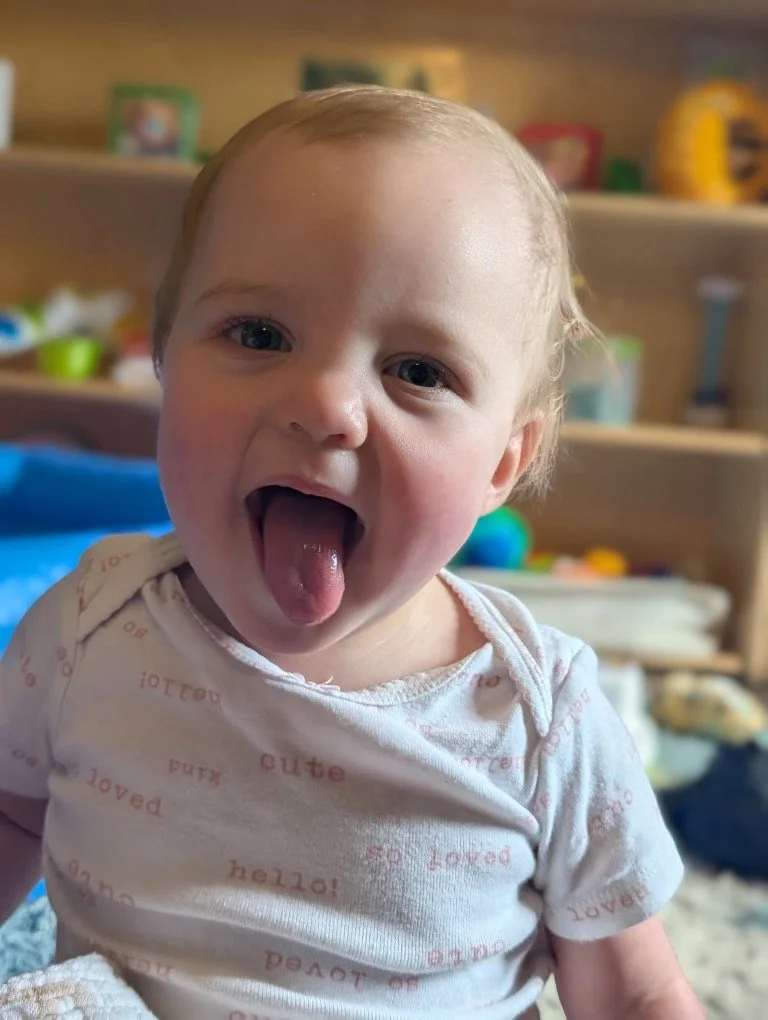
The health, safety, and well-being of every child is our highest priority. Our infant classroom follows safe sleep practices, safe feeding procedures, and individualized care routines to ensure each child receives attentive, responsive care throughout the day. We recognize that every infant is unique, and we work closely with families to follow each child’s individual schedule, preferences, and developmental needs.
Building strong partnerships with families is an important part of our infant program. Through Brightwheel, parents receive real-time updates on feedings, diaper changes, naps, medications, and daily activities, providing peace of mind and helping families stay connected to their child’s day. Families can also communicate directly with teachers, receive photos and updates, and stay informed about important milestones and experiences.
By combining high-quality care, open communication, and a safe, nurturing environment, we strive to create a space where infants can grow, explore, and thrive while families feel confident that their child is receiving the very best care.
Health & Safety
Our infant classroom utilizes the HighScope curriculum, which recognizes that even our youngest learners are constantly growing, exploring, and making discoveries about the world around them. Because infants develop at their own unique pace, we focus on meeting each child where they are and providing experiences that support their individual growth and development.
Learning in the infant classroom happens through play, exploration, sensory experiences, music, books, movement, and meaningful interactions with caring adults. Teachers carefully observe children’s interests and developmental progress to create engaging experiences that encourage curiosity, language development, social-emotional growth, and early problem-solving skills. Through responsive relationships and hands-on learning opportunities, infants build the foundation for a lifelong love of learning.
Curriculum
At You and Me Academy, we use Teaching Strategies GOLD® (TSG) to observe and document each infant’s growth and development through their everyday experiences. Teachers carefully observe milestones, interactions, play, communication, and exploration to gain a deeper understanding of how each child is learning and growing.
Because infants develop at their own unique pace, these assessments help us meet each child where they are developmentally and provide individualized experiences that support their growth. Whether an infant is beginning to roll over, explore new materials, communicate their needs, or build relationships with caregivers, we use these observations to celebrate milestones and create meaningful opportunities for continued learning and development.
Assessments
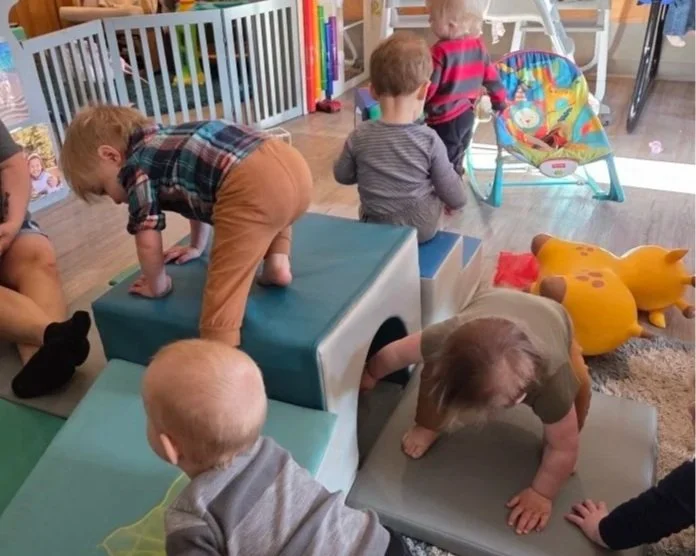
We are honored to partner with families during this incredible first stage of life, providing a safe, loving environment where infants are cared for, known, and nurtured every day.
-
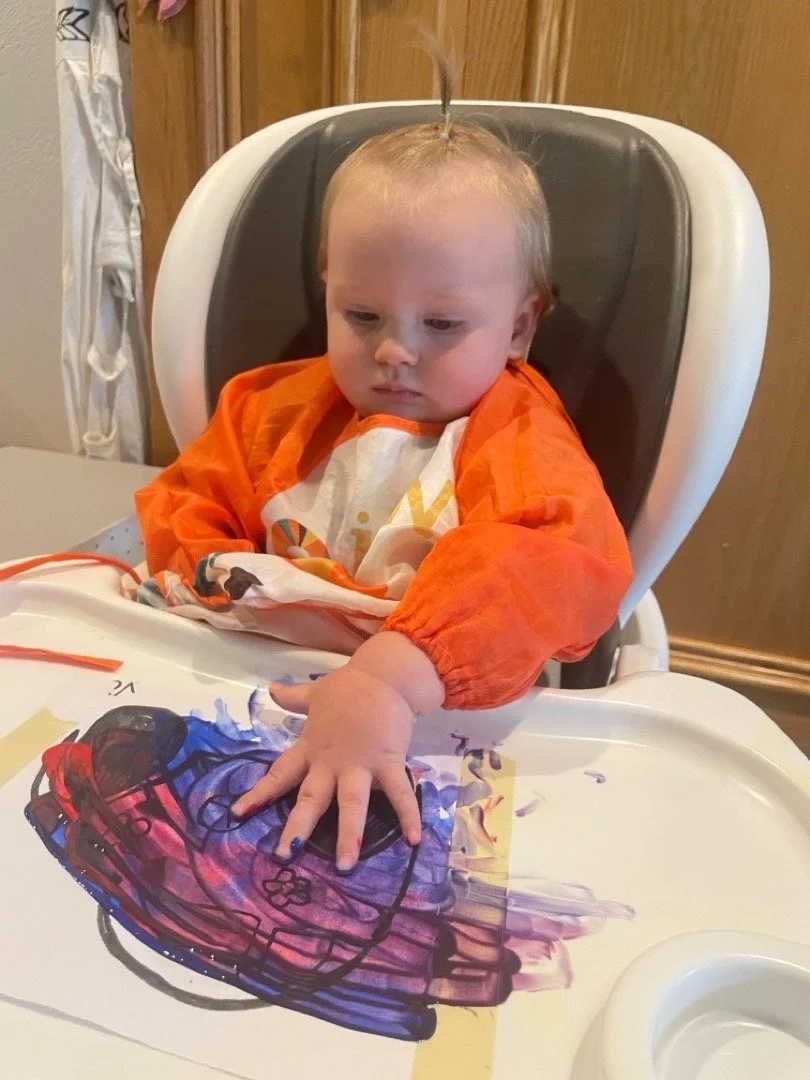
Infants explore creative materials through hands-on, sensory-rich experiences that encourage curiosity and self-expression. Our activities focus on open-ended exploration, allowing children to safely investigate textures, colors, and materials while developing creativity and fine motor skills.
-
Infants develop physical skills through daily opportunities to move, explore, and practice new abilities. From tummy time, crawling, and climbing to walking, grasping, and manipulating objects, children build both gross and fine motor skills at their own pace in a safe and supportive environment.
-
Language development begins with everyday interactions. Teachers talk with infants throughout the day by narrating routines, describing actions, and giving words to their experiences. We read books, sing songs, and encourage sounds, gestures, and early words to support communication and early literacy skills in a natural, responsive way.
-
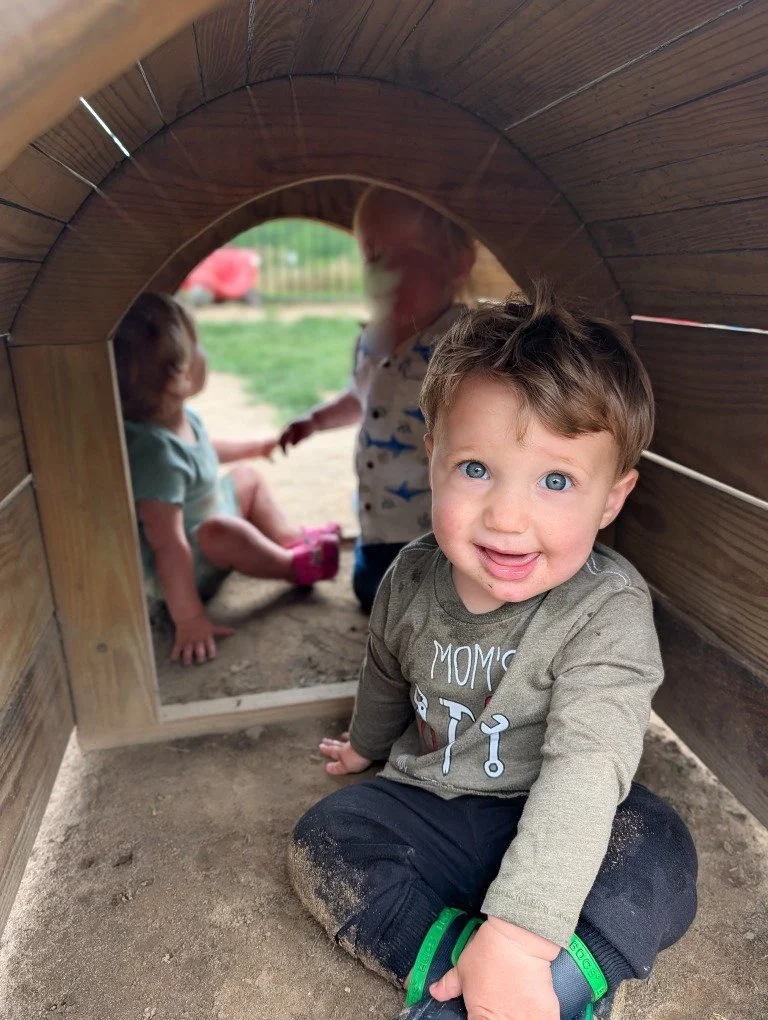
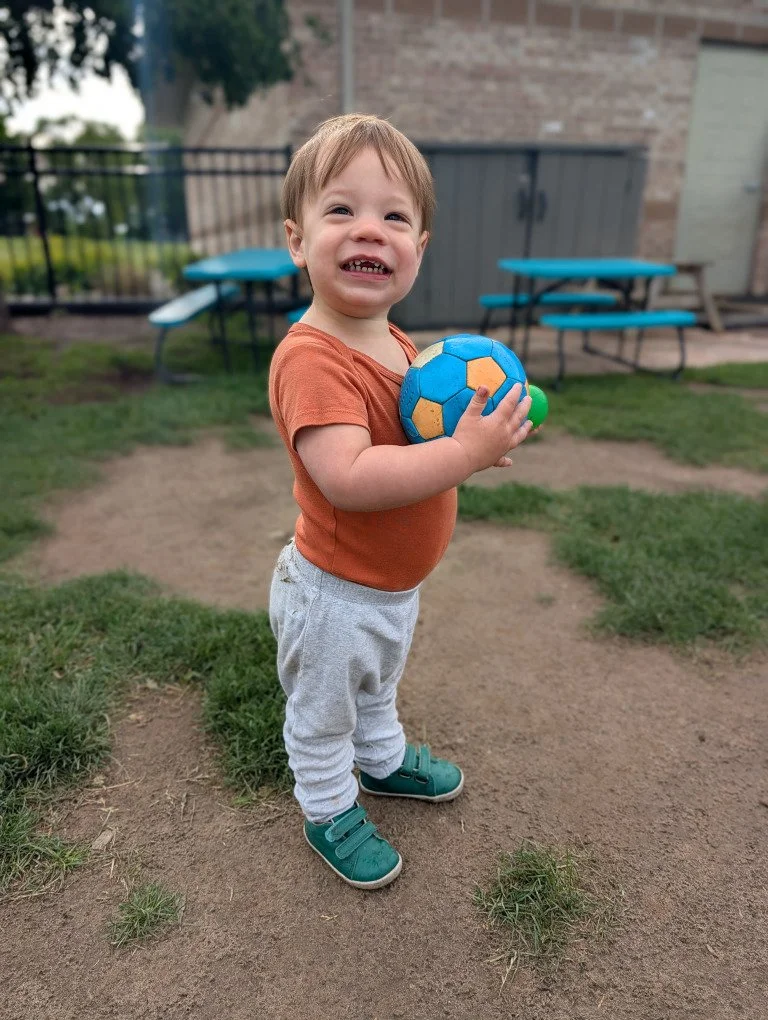
Infants are given daily opportunities to experience the outdoors in safe, developmentally appropriate ways. This includes stroller rides, tummy time on blankets, and hands-on exploration with balls, toys, and sensory materials. For older or more mobile infants, outdoor time also includes opportunities to crawl, cruise, and walk in a safe environment that supports their growing independence and physical skills.
Outdoor play supports physical development, fresh air exposure, and early sensory learning through movement, exploration, and observation in a natural environment.
-
Infants are provided with a variety of sensory experiences that support early brain development and curiosity. Activities include exploring different textures, sounds, visual stimuli, and safe materials that encourage hands-on discovery. These experiences help infants build awareness of their environment, strengthen motor skills, and engage their natural sense of wonder.
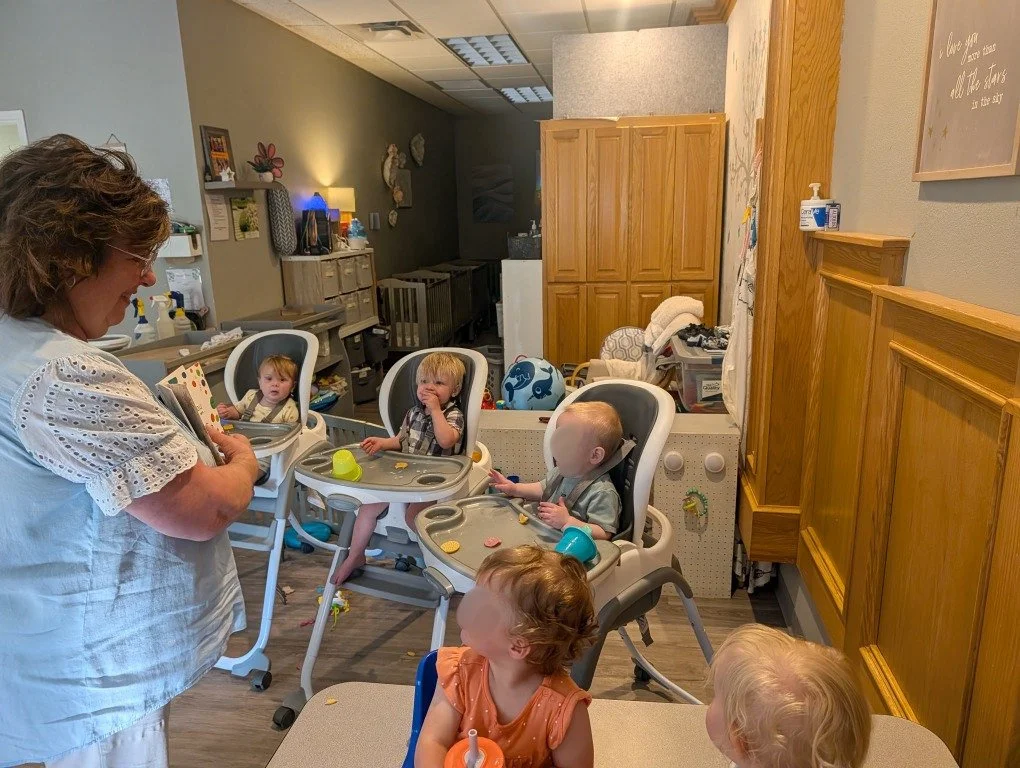
Why Reading with Babies Matters More Than You Might Think
Even before they can understand the words, babies benefit from hearing language, seeing pictures, and sharing meaningful moments with caring adults.
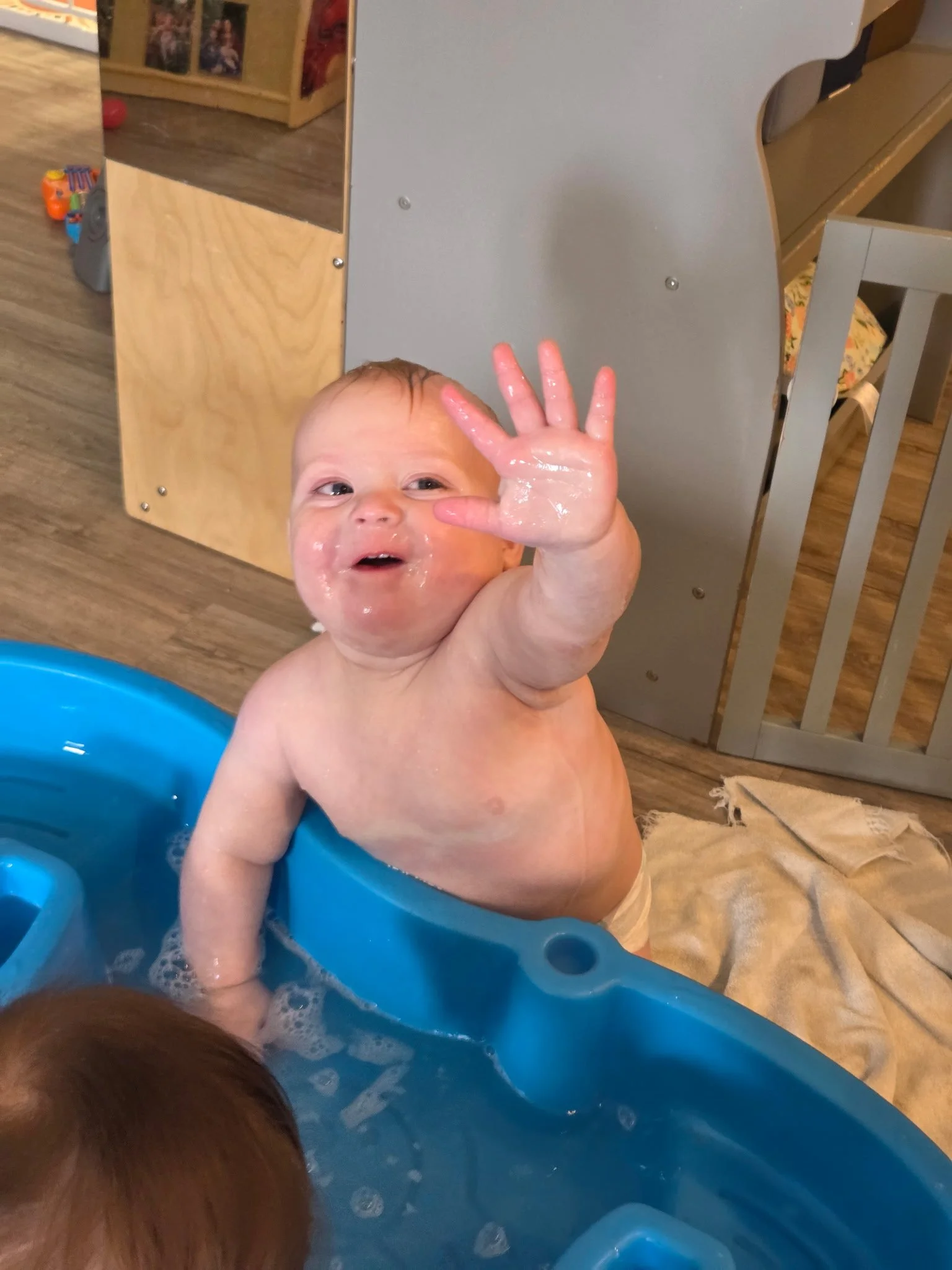
(NAEYC)Supporting Language Development
Everyday interactions, conversations, songs, and books help build the foundation for communication and language development.
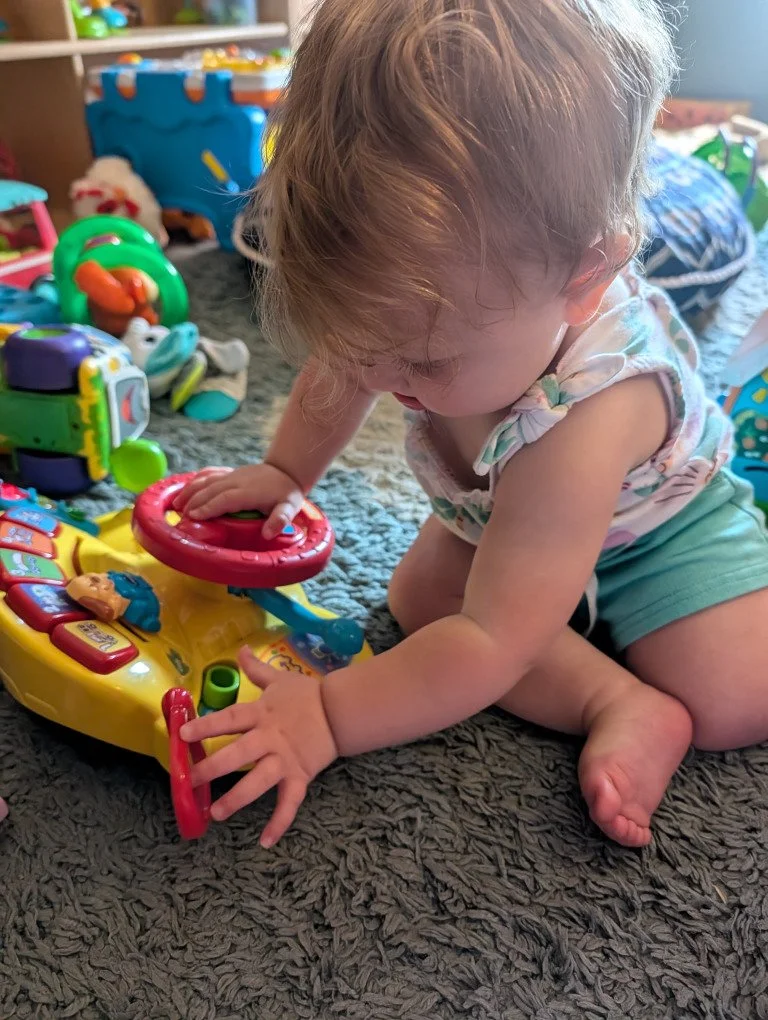
Supporting Thinking Skills
Simple play experiences and opportunities to explore help infants develop curiosity, problem-solving skills, and an understanding of the world around them.
(NAEYC)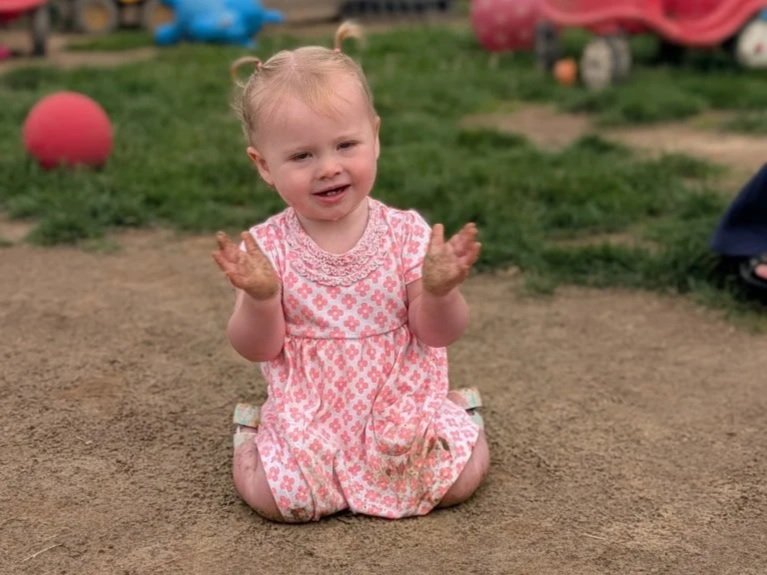
Developing Self-Confidence
Responsive relationships and opportunities to explore independently help infants build confidence, trust, and a positive sense of self.
(Zero to Three)(Zero to Three)